
-
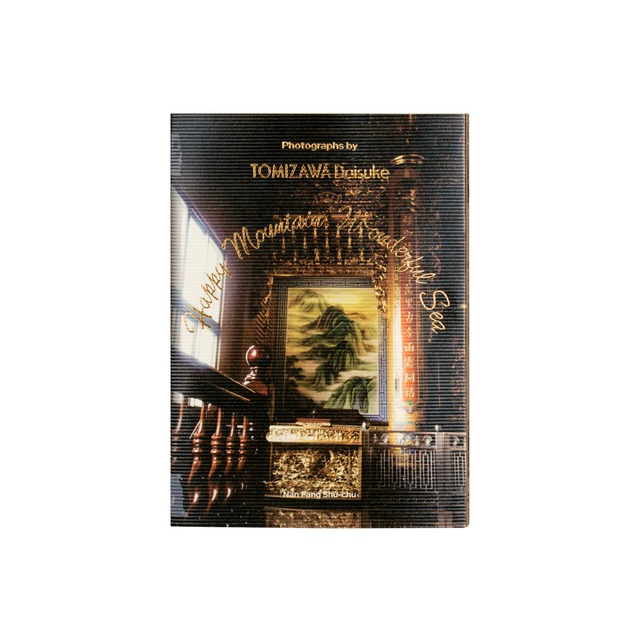

写真集《Happy Mountain, Wonderful Sea》
JPY 3,410(USD 21.50)
富澤大輔写真集 《Happy Mountain, Wonderful Sea》 国内送料無料・順次発送 『だが日常は終わらない。世界は死なない。 木々は茂り葉は青々と輝く。空では鳥が、水には魚が泳ぐ。夜になれば星々が瞬き、朝になれば太陽が大地に光を注ぐ。漂う雲を眺めて出る涙。その涙に僕は救いを求めたい。 友達を作りその生命の幸せを願うことが、このどうしようもない世界でも、なお生きるに値する理由そのものなのだと教えられる。 世は最初から変わらず美しい。僕はそれを眺めるためだけに生きていてもよいのだと思いたい。』 ――富澤大輔 写真家・富澤大輔による作品集。 わたしたちの“時間”の中に、既にある“見る喜び”を、探すのではなく気付けばいい――そんなことを思い出させてくれる全143枚の写真群。 かわいらしい文庫サイズで、独特な質感のカバーには金の箔押しでタイトルが光る。 “ただ写真が重ねられただけのような形”を目指して作られたという本書は、写真が常に左ページにだけ掲載されています。 その構成は、1枚1枚ゆっくりと捲ることが促され、次第に、遠くを歩く人の小さな顔、建物の壁面や窓、その装飾、遠い山並み、写真の隅に写る物干し竿や、机の上の食器などの「小さく写り込んだ物たち」へと視線が回遊し、そのとき、はじめて富澤大輔の“写真”と出会うことができる気がします。 まるで、暗い物置のなかで見つけた小さな箱の中で眠っていた写真の束を見つけたときのような、“時間”に思いを馳せる体験をぜひ味わってみてください。 定価:3100+税 発行日:2026年9月 304ページ 105x148mm(A6・文庫判) ソフトカバー(表紙箔押し・天アンカット) 写真:富澤大輔 書籍設計:明津設計 印刷:加藤文明社 発行所:南方書局 “Yet everyday life does not end. The world does not die. Trees grow thick, their leaves shining green. Birds fly across the sky, and fish swim in the water. At night the stars twinkle; in the morning the sun casts its light upon the earth. Tears fall as I watch the drifting clouds. I want to seek solace in those tears. Making friends and wishing them happiness teaches me that life is still worth living, even in this world, for all its brokenness. The world has been beautiful from the beginning, and it remains so. I want to believe that simply to gaze upon it is reason enough for me to live.” — Tomizawa Daisuke Happy Mountain, Wonderful Sea is a photobook by Tomizawa Daisuke. Its 143 photographs remind us that the “joy of seeing” is already present in the time we inhabit; rather than search for it, we need only notice it. The charmingly small, paperback-sized book has a cover with a distinctive texture and a title stamped in gold foil. Conceived to look as though it were “simply a stack of photographs,” it places every image on a left-hand page, inviting readers to turn the pages slowly, one photograph at a time. Gradually, our eyes begin to wander towards the “little things” captured in the pictures: the tiny face of a person walking in the distance; the walls, windows and ornamentation of buildings; far-off mountains; a clothesline at the edge of a photograph; or dishes on a table. Perhaps it is then that we encounter Tomizawa Daisuke’s “photographs” for the first time. Like discovering a bundle of photographs that has lain asleep in a small box in a dark storeroom, the book invites us to contemplate “time.”
MORE -

写真集《GALAPA》
JPY 1,500(USD 9.46)
GALAPA Programの第一作目、富澤大輔写真集《GALAPA》 漫画「ドラえもん」の作者 藤子・F・不二雄は、ドラえもんの最終話を描くことなく、1996年に亡くなった。 「ドラえもん」は45巻まで発売されたが、45巻の中に最終話として描かれたストーリーは無く、全て他と同様のいつもどおりのストーリーだ。言い換えれば、「ドラえもん」というシリーズは「終わることができなくなったストーリー」である。「GALAPA」というタイトルは、そのドラえもん45巻の巻末に収録されている「ガラパ星から来た男(The Man From Planet Galapa)」からの引用である。作者の死によって最終回が描かれなかった作品は、読者に対して、言葉にしづらい奇妙なフラストレーションを残すことになる。しかし、現実世界にも最終回は存在しない。(例えば「死」も、個人の死であって、日常の死ではない)読者が感じたこのフラストレーションは、現実世界=「本物の日常」の核だといえるのではないか。この写真を見ていると、これと同じ種類のフラストレーションを感じることがある。「日常」の大半は、喜怒哀楽ではなく、安心と不安が混ざり合って安定した奇妙な状態だ。そしてそれが永遠に続いていくことが「本物の日常」だ。この写真には、それが写っている。過剰な演出や、下手な自己表現は無い。うっすらと奇妙な雰囲気が漂っている。これがフラストレーションの正体かもしれない。 だから「GALAPA」では、そういった「本物の日常・終わることができなくなったストーリーから感じるフラストレーション」をキーワードにして作った。 この写真の中にあるこの性質を、強く感じさせるような編集(本の形・写真セレクト・写真順)にしている。(デザイナー浅田農による「GALAPA」の編集コンセプトと詳細) 写真:富澤大輔 文:林暉鈞 書籍設計:明津設計 発行所:南方書局 http://nanfangshuchu.com 頁数:112ページ サイズ:A4変形 關於《GALAPA》 漫畫《哆啦A夢》的作者藤子・F・不二雄,來不及畫下《哆啦A夢》的完結篇,於1996年去世了。 《哆啦A夢》一共出版了45集。但是在這45集裡,沒有任何一個能夠當作結局的故事。所有的故事都和其他故事一樣,是「進行中」的。換句話說,《哆啦A夢》這個系列,是一個「無法結束的故事」。 《GALAPA》這個標題,引用自《哆啦A夢》第45集卷末的一篇:〈來自Galapa星的男人(The Man From Planet Galapa)〉。 因為作者的死而少了完結篇的作品,為讀者們留下了難以言喩的挫折感。然而,現實世界也沒有完結篇(以「死亡」來說,死的是一個一個的個人,「日常」本身並未死去)。讀者們感受到的這份挫折,不就是現實世界=「真實日常」的核心嗎? 看著富澤拍攝的照片,我感到同一種挫折。 「日常」的大部分並不是喜怒哀樂,而是混合著安心與不安,一種奇妙的安定狀態。「真實的日常」永遠持續著這種奇妙的安定狀態。這樣的狀態,就寫在富澤的照片裡。沒有過剩的演出,也沒有低劣的自我表現,只有稀薄卻奇異的氣氛飄蕩其中。 這說不定就是那挫折感的真實身分。 所以,我們以「從真實的日常,無法結束的故事中感受到的挫折」作為關鍵概念,取了「GALAPA」這個標題。希望能透過編輯的方式(書本的外型、照片的選擇與順序),讓讀者強烈感受到富澤攝影的這個特質。 When a manga series is left unfinished by the death of its creator, readers may feel a strange sense of frustration. Yet the real world has no final episode either. Perhaps the unease of a story without an ending is also embedded in everyday life. With such a perspective on the real world, this collection of photographs comprises 93 monochrome photos, taken across East Asia, Siberia, and Europe. The title GALAPA comes from “The Man from Planet Galapa” (ガラパ星から来た男), a story in volume 45 of Fujiko F. Fujio’s manga Doraemon. Published in 2019, GALAPA became the first title of GALAPA Program. As conceived in its book design, the 93 photographs also echo the 93 years between 2019 and Doraemon’s fictional birth in 2112.
MORE -

写真集《新乗宇宙》
JPY 4,510(USD 28.43)
GALAPA Programの第三作目、富澤大輔写真集《新乗宇宙》 『僕はこの当然の「権利」に、胸が誇りでいっぱいになった』 --- 2020年1月11日。 香港でのデモが日々続き、 未知のウイルスの存在に少しずつ世界が視線を向け始めた頃、 台湾では『中華民国総統選挙』が行われた。 この選挙は台湾の事実上の独立状態を継続する姿勢の民進党と、中国(中華人民共和国)との関係の強化を主張する国民党のどちらが選ばれるかという大きな岐路に立たされたものだった。 台湾人の父と日本人の母の間に生まれてから16歳までを台湾で過ごした富澤は、選挙が近づく日々に緊張と憂鬱をいつも頭のどこかに抱えながら、生まれ育ったその土地を撮影した。 --- いま、あらゆる言説が私達を“大きな主語”でくくり分断する。 「あなた」が「あなた」でなくなり、 「わたし」が「わたし」ではなくなっている。政治は私達の「外側」にある気がする。本来極めて個人的な私の中に存在する、私という「政治」を見失う。この本は、あらゆる“小さな主語”の中にしかない目に見えないことを、気づかせてくれ、忘れさせてくれ、また思い出させてくれる。 巻末には中国人の韩梅梅による短編小説、『傍晚五点的对话』を収録。 2020年、台湾・中国・日本それぞれに過ごす「わたし」による視線が幽かな交錯をした一冊になっている。 --- ◎韩梅梅『傍晚五点的对话』◎ 中国のどこかにある「晏州」――。 「国内の循環を主体に経済発展を」というスローガンもと、 気づくと町は静かに着実に変わっていっていた。 そんな町に、それぞれ留学の経験を経て帰ってきた「アリ」と「ダチョウ」。 これはそんな二人の、フィクションより奇妙な日常の夕暮れ時の立ち話。 写真集『新乗宇宙』 写真:富澤大輔 文:韩梅梅『傍晚五点的对话(午後五時の立ち話)』 デザイン:浅田農 翻訳:廣谷妃夏、林暉鈞 言語:日本語・中国語 判型:210 x 276 mm(A4判変形) 総頁:136頁 製本: 並製本 /////書籍訊息///// “為這理所當然的’權利’,我的心中充滿自豪。” --- 2020年1月11日。 香港的示威遊行還在繼續, 一種未知的病毒逐漸進入世界各地人們的視野。 而在這一天,台灣舉行了“中華民國總統選舉”。 選舉中,民進黨選擇保持台灣的實質獨立狀態, 國民黨主張強化和中國(中華人民共和國)的關係。 到底選擇哪一邊?台灣人站在了巨大分歧的岔路口。 富澤的父親是台灣人,母親是日本人。一直到16歲之前,他都在台灣生活。 選舉日前夕,他心懷幾分緊張與憂鬱, 拍攝了生養他的這片土地。 --- 現在,各種各樣的言論將我們歸納、分隔於一個個“巨大的主詞”中。 “你”不再是“你”, “我”也不再是“我”。 政治彷彿存在於我們“之外”。 我之“政治”,原本極其個人化、存在於我之內,如今卻難以尋覓。 這本書,讓我們留意、忘卻,又再次想起, 所有僅存於“小小的主詞”中的無形之物。 卷末收錄了中國人韓梅梅所寫的短篇小說《傍晚五點的對話》。 2020年,台灣·中國·日本。身處三地的“我”之視線在此無聲交錯。 --- ◎韓梅梅《傍晚五點的對話》◎ 中國某地,小城“晏州”—— 在“内循环、保经济”的口號下, 深刻的改變在小城靜靜上演。 這裡的居民“螞蟻”和“鴕鳥”分別於留學後回國。 一個比虛構更離奇的傍晚,他們展開了一場對話。 攝影書《新乘宇宙》 攝影:富澤大輔 撰文:韓梅梅《傍晚五點的對話》 設計:淺田農 翻譯:廣谷妃夏、林暉鈞 語言:日文·中文 尺寸:210 × 276 mm (A4變形) 頁數:136頁 裝訂:平裝 January 11, 2020. As the demonstrations continued every day in Hong Kong and the world slowly became aware of the existence of a new virus, Taiwan held the 15th presidential election. The election represented a major crossroads between the DPP (Democratic Progressive Party), which sought to maintain Taiwan’s de facto independent status, and the KMT (Kuomintang), which favored closer relations with China. With the election approaching, photographer Tomizawa Daisuke (who was born in Taiwan to a Taiwanese father and a Japanese mother and spent his life in Taiwan until age 16) photographed his home country, his heart oscillating between anxiety and tension. What would the future hold? “Nowadays, we are divided into several ‘big subjects’ by current discourses. ‘You’ are no longer ‘you’, and ‘I’ am no longer ‘I’. Politics, it seems, is something that exists ‘outside’ of us. We lose sight of the politics of ourselves, a very personal presence within us. With this book, I try to make us notice, forget, and remember again the many invisible things that can be found only in every ‘small subject.’” The book also includes a short story by Chinese writer Han Meimei.
MORE -

写真集《桃の島々》
JPY 3,300(USD 20.80)
富澤大輔写真集《桃の島々》 生きることの重みを感じる時、私はいつもあの黄昏の耦園を思い出す。夕陽は窓の格子を通して広間の青い敷石に入り組んだ模様を描き、柘榴の老木に咲く数輪の赤い花を照らしている。薄暗い池を渡るジグザグする石橋の隣、池のほとりの石欄には混沌とした光の中で、祖母がまだ静かに座っているように見える。(巻末テキスト/薛晓诞『私と庭園』)中国、蘇州。「この世の天国」とも称されるこの土地には、170の私邸庭園が現存します。多くは、明(1368~1644)、清(1616~1912)の時代に、官職を退いた士大夫(しだいふ...科挙官僚・地主・文人の三者を兼ね備え、政権の中枢を担った人たち)によって、公共事業ではなく個人の趣味として作られ、家族や友人たちとともにたのしむ小さな隠逸の場=クローズドな空間として利用されました。現在は9ヶ所の庭園がユネスコ世界遺産にも登録され、市民や観光客に向けて一般公開されています。 富澤はこれらの庭園を、現代蘇州のひとつの風景として軽やかに写し取っていきます。何百年も前に、仙人が住まう理想郷に憧れこの世に仙境を再現するために築かれた庭園で、今を歩むひとりの写真家と、桃源郷に夢見た士大夫の視線が交錯していきます。・・・・・巻末には蘇州出身の薛晓诞による書き下ろし エッセイ『私と庭園』を掲載。 現代の蘇州の人々にとって、そして薛自身にとっての庭園とはどういう存在なのかをうかがえる文章となっています。 Suzhou, China, is home to many classical gardens built as private retreats, particularly by scholar-officials during the Ming and Qing dynasties. For Peach Islands, photographer Tomizawa Daisuke used a Zeiss Ikon Box Tengor 56/2, a box camera made in the 1940s, to photograph these gardens. The gardens exemplify classical Chinese garden design and its subtle aesthetic sensibility. Tomizawa approached them with the intimate feeling of looking into “a small mirror or a locket.” Although the photographs also hint at their present-day status as popular tourist destinations, they evoke fragments of memory through light, space, and time. The afterword includes an essay by Suzhou native Xue Xiaodan on what the gardens mean to the people of modern Suzhou. Published in 2026, Peach Islands follows Tuesday (2025) as the second part of a related series.
MORE -

写真集《火曜日》
JPY 3,300(USD 20.80)
本書は、「ただ風に吹かれて鳴る風鈴のようにただ眼の前の景色を見る」という、作家の意図や作為を超えたところで作品に向き合おうとする富澤の姿勢を存分に味わうことができ、また、これまでの富澤の写真集の様々な種類の輝きが凝縮・表現されており、改めて、富澤の根源的でたしかな写真の力に驚かされる写真集となっている。 …2025年2月21日、火曜日。富澤は故郷の台湾にて、新作の撮影にとりかかろうとしていた。午前9 時、南壽山の台湾海峡に面した岬の上で撮影を開始。しかしその40 分後、フィルムの巻き上げと同時にカメラから異音が鳴る。そして二度とシャッターが落ちることはなかった。撮影できたのはたったの8 本だけだった。「いつだって最上の状況で道具は振り回せるようにしなくてはならないのだと、思い知らされる。だが、同時に僕はまだカメラがないと写真が撮れないのかと、なんだか悔しくなった。僕はなぜカメラという装置が壊れたことを気にしているのだろうか、本来はカメラの存在も名前も忘れるようでなくてはダメなのではなかろうか。そもそもカメラで捉えられる世界というのは、管を用いて天を窺うようなものなのだから、カメラに頼っているようでは、写真が良くても達人の域は超えない。と海風に吹かれながら首を垂れる。」 (あとがきより) 3 月、台湾での滞在を終え日本に帰り、本書のデザインを担当する明津設計にいつものように写真を見せるのだが、予定していた撮影がほとんどできなかったことに、富澤は文字通り首を垂らしており、いつになく写真を見せることをためらっていた。しかし写真を見た明津設計は即座に「この写真は、見たことのない1 冊が作れる」と判断。その場で写真を持ち帰り、その日のうちに編集、デザインを開始する。そうして富澤の写真集としては異例の超短期間で撮影された本書『火曜日』はできあがった。 ページ数:48 判型:B4変形 Tomizawa Daisuke’s photobook “Tuesday” was produced during a visit to Taiwan. Shot in black and white, the series exemplifies Tomizawa’s approach to photography rooted in the pure act of seeing and capturing the scenery in front of him, like a chime ringing in the wind. Preparing to begin a new series, Tomizawa began photographing at 9:00 a.m. on Tuesday, February 18, 2025. At 9:40 a.m., the film advance lever broke, bringing the shoot to an abrupt end. Eight rolls of film were exposed before the camera failed. The resulting photobook comprises 17 black-and-white photographs from those forty minutes. “Why am I so bothered by the camera breaking? I should try and forget its existence and its name anyway. Looking at the world through a camera is akin to peering at the sky through a thin tube. You’ll never become a master as long as you rely on the camera, even if your photos are good…” ― from Tomizawa Daisuke’s afterword
MORE -

写真集《Peer Gynt》
JPY 1,500(USD 9.46)
GALAPA Programの第二作目、富澤大輔写真集《Peer Gynt》 2018年冬、クリスマスから正月にかけてオーレスンの友人宅に居候していた。その家の娘であるMiaという女の子と裏庭から広がるノルウェーの暗い森のお話。 是非グリーグのPeer Gyntをかけながら読んで頂けると幸いです。 また写真集《GALAPA》と読み比べても相互理解がより深まる楽しい写真集になっております。 写真:富澤大輔 絵:Mia 書籍設計:明津設計 発行所:南方書局 http://nanfangshuchu.com size\175x165mm 74pages In the winter of 2018, Tomizawa Daisuke stayed at a friend's house in Ålesund, Norway, between Christmas and New Year's. The book follows Mia, a girl in that household, and the dark Norwegian forest stretching out behind the house. Inspired by Grieg’s music for Peer Gynt, the first half of the book contains 21 color photographs of Mia's family preparing for winter and the surrounding landscape, while the second half contains 42 monochrome photographs of Mia and her friends frolicking in contrast to the dark, quiet Norwegian forest. The photographs were taken during the same period as those in GALAPA, and the two books can be read side by side. The book also invites readers to look through its pages while listening to Grieg’s music.
MORE -

写真集《字》
JPY 4,950(USD 31.21)
SOLD OUT
GALAPA Programの第四作目、富澤大輔写真集《字》 感動しない風景に感動することに、感動する。 一年前、富澤大輔のもとに、実家の母親から一枚の写真が 送られてきました。それは富澤が小学生の頃、学校の授業で 書いたであろう「字」という一文字が書かれた色紙でした。 富澤はこのえも言われぬ“「字」という字 ”の良さに素朴な 感動を覚えます。 これは、そんなえも言われぬ感動をキーワードにしてつく られた写真集。 一年にわたって撮影された九千枚以上の写真から選ばれ た、三百六枚の写真で構成されますが、その感動の種類が一 体なんなのか、説明のできないままに選ばれたこれらの写真 たちは、こうして束になってもいまだ言葉を与えられること ができないままでいます。 この量で組むことでしか、つくることのできなかった感動 を是非、体験してみてください。 * 巻末には、植民地美術史研究者・柯輝煌による論考文も掲 載されています。 文字の発生から、「絵画と書道」の差異、「模 倣と創造」を、【 近 代 / 前 近 代 】という概念を通してめぐることで、今日「表現」とよばれているものの根源へと接近し ていく文章となっています。 写真:富澤大輔 文/書:柯輝煌 翻 訳:薛晓诞 書籍設計:明津設計 発行所:南方書局 http://nanfangshuchu.com 判型:横112 x 縦169 mm(B6判変形) 頁数:336頁(16頁×21折) 部数:500部 製本:糸かがり上製本・右綴じ Behind the subtle, difficult-to-explain atmosphere of Tomizawa Daisuke’s photobook Zi lies his fascination with things he senses but cannot put into words. In 2021, his mother sent him a photograph of a shikishi (a traditional Japanese board used for calligraphy) with the character “字” (meaning “character; letter; written text”) written on it by Tomizawa himself when he was still a child. Moved by the strange beauty of the sign, Tomizawa made it the keyword for this project. From more than 9,000 photographs taken over the course of a year, Tomizawa selected 306, following feeling and intuition rather than reasons he could put into words. The result is an unhurried, contemplative mosaic of fleeting moments. A designer at Akitsu Sekkei recalls the editing sessions in “A Memorandum on Book Design”: “Tomizawa and I used to meet in a coffee shop to select photographs from the thousands he had taken. We had no sophisticated terms of judgment other than ‘nice’ and ‘not so nice’.” Zi concludes with an essay on the origins of written characters, the differences between painting and calligraphy, and modern artistic expression. The essay is by Ko Huihuang, an art historian specializing in art of the colonial period.
MORE -

写真集《平行写真》
JPY 7,260(USD 45.77)
GALAPA Programの第五作目、富澤大輔写真集《平行写真》 本書『平行写真』は、横位置の写真だけに限定された 300 枚の変哲のない光景がたんたんと連なる構成となっていま す。何の強要的な情感もない写真群が、『これは一体なん のためにまとめられた本なのか?』と、つかみきれないま まに展開していきますが、わたしたちは次第に、富澤の隣 に立って撮影現場を見ているような、一緒になって歩いて いく=「平行移動」をしているかのような錯覚をもちはじ めます......。 『 ぬくもりだの暖かさだの、そんなのは誤魔化しですよ。 僕は、人生の本当の姿を描きたいんです。』 小津安二郎 映画監督・小津安二郎氏はそんな言葉を残しています。 写真/写真集という表現もその特性上、どんなドキュメン トであろうと広義の「フィクション」の扉をくぐってしまいます。 しかし、決して「真実」を写せるわけではない写真/写真 集というフィクションの中に入ってもなお、富澤の写真は 「ただそこにある」「本当の姿」だと思わせてしまう、圧 倒的なリアリティの光を放ちます。 この『平行写真』の、最初の写真の “ 前 ” にも、最後の写 真の “ 後 ” にも、本から顔を上げればわたしたちの目の前 には変わらない光景があるだけです。わたしたちの体には 劇的な変化は訪れません。しかしそれは、この写真集がわ たしたち自身の “ これまで ” と “ これから ” の「平行移動」 と溶け合っているからなのかもしれません 。 写真:富澤大輔 書:柯輝煌 書籍設計:明津設計 発行所:南方書局 http://nanfangshuchu.com 判 型:縦183×横214mm / 頁 数:312頁 / 写真点数:300点 “My first camera was the camera that belonged to my father. At the time, looking through the same viewfinder as my father helped distract me from my grief. That’s why I didn’t go search for anything important to take pictures of. I wandered around and aimed at spaces where I didn’t expect to capture anything in particular, or at moving objects, almost as if by instinct. However, due to the nature of the camera, unless something went wrong there would always be something captured in the images.” ― from Tomizawa Daisuke’s statement The book began with a simple question: after Zi, composed entirely of vertical photographs, what would happen if the next book consisted only of horizontal ones? Akitsu Sekkei recalls that, although the photographs were selected and arranged in much the same spirit as in Zi, the experience of turning the pages was unexpectedly different. There is very little that happens in the 300 photographs that constitute Tomizawa Daisuke’s photobook “Parallel Photography”. And yet, the apparently objective, almost third-person perspective on situations and events reveals an irresistible charm. Tomizawa’s work seems to capture the world just as it is, without forced sentimentality. Throughout the book, we simply stand with Tomizawa as he photographs ordinary landscapes, street corners, cars, passersby and other moments, and with each image it feels as if he asks us, “Isn’t this nice?” As Akitsu Sekkei observes in the book-design notes, the ordinary world continues before the first photograph and beyond the last. The book’s “parallel movement” seems to merge with the reader’s own past and future.
MORE -

写真集《遊回》
JPY 17,600(USD 110.95)
GALAPA Programの第六作目、富澤大輔写真集《遊回》 すべての出来事を忘れたくない」 この世にそんな未練を残した幽霊のお散歩の気分で、 中判フィルムカメラによって撮影された全170点のカラー写真。 作家にとって初の大判写真集。 人はなにか大きな出来事に立ち会うと、 そこを拠り所にして、依存していく。 しかし「なにも起きていない瞬間」 なんてこの世には無かった。 それを鋭敏に嗅ぎつけ、小さく小さく、 しかしたしかにカメラに収める。 はからずも『字』『平行写真』から 連なり、シリーズとなった 三部作の最終作品。 写真/画:富澤大輔 文 :薛晓诞 字:柯輝煌 書体協力 :根本匠 書籍設計 :明津設計 発行所:南方書局 http://nanfangshuchu.com 判 型 257×355mm(B4判変形) 製 本 糸かがり上製本/小口・地アンカット/函入り 写真点数170点(カラー) 言 語 日本語・中国語 16,000円(+税) 発 行 南方書局 頁 数 192頁 印 刷 オフセット印刷 “I don’t want to forget anything that happened.” ― Tomizawa Daisuke Several pages into Tomizawa Daisuke’s “YŪ KAI (Wandering, Lingering)”, the series of snapshots begins to take on a strangely nostalgic atmosphere. It is as if every moment, every scene, even the asphalt of a seemingly unremarkable street, has special meaning. Presented in large format, the 170 color photographs seem to say: the world may not be beautiful, but it is irreplaceable. “To feel nostalgic is to want to meet again; it’s the moment when the past and the present merge before our eyes … It is inherently strange that someone else should feel nostalgic about Tomizawa’s photographs of streets or his friends. Why is there a sense of nostalgia for scenes we can’t have seen ourselves, as captured in his photographs? It can’t simply be explained by the unique effects of the colors or textures of film photography. ‘YŪ KAI’ manages to reach into the deep roots of nostalgia itself, to activate the primal mechanism of nostalgia in us living beings. I think that’s what characterizes Tomizawa’s photographs… They remind me of reading that the sense of nostalgia we feel when we see the sun set over the ocean triggers ancient memories recorded deep in our DNA.” — from a statement by Akitsu Sekkei, the book designer Completing an unplanned trilogy with Zi and Parallel Photography, the book also contains a piece of flash fiction by Xue Xiaodan.
MORE -

写真集《LAND》
JPY 3,630(USD 22.88)
SOLD OUT
GALAPA Programの第七作目、富澤大輔写真集《LAND》 今作『LAND』は、2023年の夏の1ヶ月間、富澤の故郷である台湾を写した新作写真で構成されます。 コロナ禍により3年半以上も帰ることがかなわなかった 台湾の街への富澤の“まなざし”と“あしどり”は、帰郷のよろこび/撮影のよろこびにあふれ、写真の端々にそのよろこびがキラキラとひかっています。 2020年から続いた『字』『平行写真』『遊回』の三部作は、写真の表現方法の極地を探り突き進んだ写真群でしたが、今作では、大好きな土地をたのしく撮る、 “シャッターを押すという行為の純粋さ”が写真集をみたします。 日々、SNSを通して、顔の見えない“誰か”のための、なんらかの“欲”をかりたてるために撮られた写真を目にするなかで、しらずしらずのうちに忘れていた「写真」を思いだし、つい自分も、家に帰る途中の道ばたで「写真」を撮りたくなってしまう......。 そんな写真集です。 In the summer of 2023, photographer Tomizawa Daisuke returned to Taiwan, where he was born, after more than three years away. Equipped with a 6x6 medium-format camera, Tomizawa recorded his month-long journey in portraits of friends and family members and snapshots of important or inconsequential scenes. “LAND” radiates with the joy of seeing, and the desire to capture and hold on to moments, sights and other people. Tomizawa’s photographs of everyday places, inconspicuous details and smiling faces not only reflect the artist’s joie de vivre and observant eye, but also express the purity of the act of pressing the shutter. In previous GALAPA Program books, the selection of photographs was usually shared with Akitsu Sekkei, who was often entrusted with their sequence. For LAND, however, Tomizawa selected and arranged all 158 photographs himself. In the afterword, he writes of returning to the pleasure of taking photographs as he did before GALAPA Program began, when he made one-off handmade books to show his mother and relatives.
MORE -

写真集《臥遊》
JPY 1,430(USD 9.01)
写真家・富澤大輔による本作「臥遊」は、KYOTOGRAPHIE (京都国際写真祭)の「KG+」で発表され、京都の印刷所=京都新聞印刷にて実際の新聞と同じ印刷機で刷られた、新聞型大判写真集です。 “臥して以て之に遊ばん”――これは中国の隠者、宗炳(そうへい、375 年〜443 年)が、山水画の前で臥したまま…つまり寝そべりながら、想像で、山水画に描かれた風景の中を歩き楽しむことを語った言葉です。過去を写す「写真」に対して、山水画は、神や仙人の住む憧れの地、つまり現実を離れた桃源郷 =「時間の外側」の風景を描きます。“臥遊”とは、記憶の一部を写真的な見方に依存している現代の私たちにとって、風景/記憶/過去/時間といった人間の体の「想像する力」の本質に迫る重要なキーワードかもしれません。 『写真が持つ「世界への窓」としての性格を、前近代的なものの見方に思いを馳せながら、「過去のとある瞬間としてではない写真」の在り方を考えた。』と語る、富澤の新たなる出発点となる写真集です。 ページ数:24 GAYU (臥遊) is a large-format photobook printed in newspaper form. First presented at KG+ SP in 2024, it was printed by Kyoto Shimbun Printing on the same presses used to produce newspapers. The title derives from the phrase 臥以遊之 (“to wander through it while reclining”), associated with the Chinese recluse Zong Bing (375–443). Zong Bing described how he could lie before a landscape painting and enjoy travelling, through imagination, among the scenes it depicted. Such paintings could evoke a realm beyond ordinary reality and beyond the bounds of time. Taking this idea as its starting point, Tomizawa Daisuke reflects on photography as a “window onto the world,” considering the possibility of photographs that are not merely records of a particular moment in the past. The book marks a new point of departure in his work. An essay by art historian Ko Huihuang at the end of the book questions the Western-centric standards of modern art history and asks us to reconsider the framework of “modernity,” from which photography cannot be separated.
MORE